"Heart" (Hebrew lebab/leb [b'bel], Gk. kardia [kardiva]) occurs hundreds of times in the Bible, making it the most common anthropological term in the Scripture. It denotes a person's center for both physical and emotional-intellectual-moral activities; sometimes it is used figuratively for any inaccessible thing. Because the word “heart” can be translated a number of ways, depending on the context, the number of times it is found varies in the different translations of the Hebrew Bible and the New Testament (863 in the NASB, 963 in the KJV, and 791 in the NIV). Most of these occurrences are used metaphorically of the inner man. When used metaphorically (depending on the context) heart refers to the mind, the emotions, the will, to the sinful nature, inclusively to the total inner man, or simply to the person as a whole and is often translated as such.
1. The Heart as Center of Hidden Emotional-Intellectual-Moral Activity.
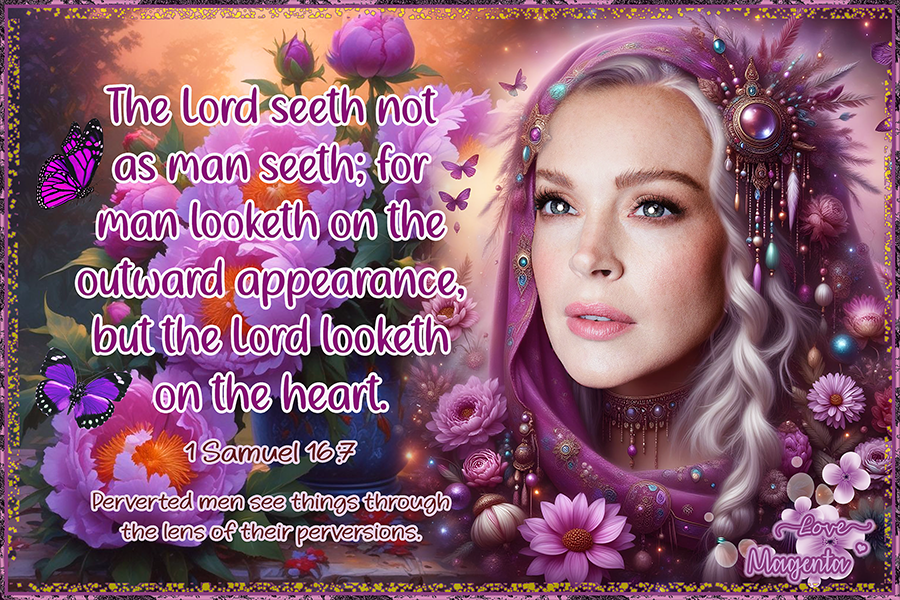
"Man looks at the outward appearance, "says Samuel, "but the lord looks at the heart" (1 Sam 16:7). The king's heart is unsearchable to humankind (Prov 25:3), but the Lord searches all hearts to reward all according to their conduct (Jer 17:10). In the time of judgment God will expose the hidden counsels of the heart (1 Cor 4:5).
Jesus says that the heart's secrets are betrayed by the mouth, even as a tree's fruit discloses its nature (Matt 12:33-34). "A wise man's heart guides his mouth, "says Solomon (Prov 16:23). Most important, the mouth confesses what the heart trusts (Rom 10:9 ; cf. Deut 30:14).
2. The Heart's Emotional Functions.
The Lord, who knows our hearts (Luke 16:15), experiences its full range of emotions: for example, its joy (Deut 28:47 ; 1 Sam 2:1 ; Prov 15:15) and its sorrow (1 Sam 1:8); its raging (2 Kings 6:11) and its peace(Col 3:15 ); its feeling troubled (John 14:1) and its rejoicing (1 Sam 2:1 ; Psalm 104:15); its love (Rom 5:5 ; 1 Peter 1:22) and its selfish ambition (James 3:14); its modes of doubts (Mark 11:23) and of fear (Gen 42:28) and its mode of trusting (Prov 3:5); when it rises up in repulsive pride (Deut 8:14) or, as in the case of Jesus, is lowly and humble (Matt 11:29); and when one loses heart (Heb 12:3) or takes heart (John 16:33).
The Heart's Intellectual-Spiritual Functions
The heart thinks (Matt 9:4; Mark 2:8), remembers, reflects, and meditates (Psalm 77:5-6 ; Luke 2:19). Paul says of the perverse, their foolish hearts were darkened (Rom 1:21); they could not see the light of moral truth. The hearts of saints, however, are enlightened (2 Col 4:6 ; Eph 1:18). The greatest commandment according to Jesus is "Love the Lord your God with all your heart" (Matt 22:37). Love here is more than emotion; it is a conscious commitment to the Lord.
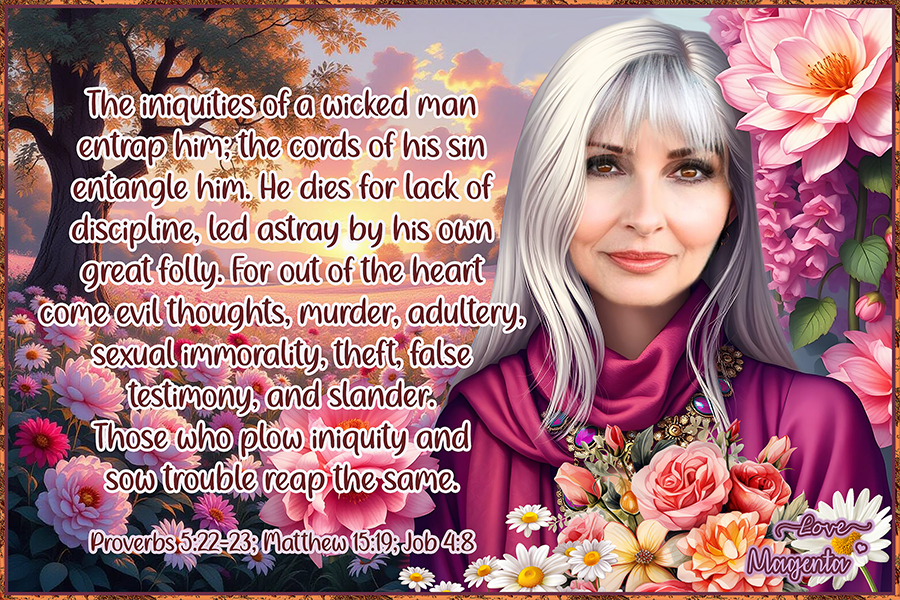
Jesus pointed out the fallen condition of our hearts in Mark 7:21-23: “From within, out of men’s hearts, come evil thoughts, sexual immorality, theft, murder, adultery, greed, malice, deceit, lewdness, envy, slander, arrogance and folly. All these evils come from inside and make a man unclean.” Our biggest problem is not external but internal; all of us have a heart problem.
Romans 10:9 If you declare with your mouth that Jesus is Lord, and believe in your heart that God raised him from the dead, you will be saved.
What is the “heart” referred to in the bible? What is it not?
1. The Heart as Center of Hidden Emotional-Intellectual-Moral Activity.
"Man looks at the outward appearance, "says Samuel, "but the lord looks at the heart" (1 Sam 16:7). The king's heart is unsearchable to humankind (Prov 25:3), but the Lord searches all hearts to reward all according to their conduct (Jer 17:10). In the time of judgment God will expose the hidden counsels of the heart (1 Cor 4:5).
Jesus says that the heart's secrets are betrayed by the mouth, even as a tree's fruit discloses its nature (Matt 12:33-34). "A wise man's heart guides his mouth, "says Solomon (Prov 16:23). Most important, the mouth confesses what the heart trusts (Rom 10:9 ; cf. Deut 30:14).
2. The Heart's Emotional Functions.
The Lord, who knows our hearts (Luke 16:15), experiences its full range of emotions: for example, its joy (Deut 28:47 ; 1 Sam 2:1 ; Prov 15:15) and its sorrow (1 Sam 1:8); its raging (2 Kings 6:11) and its peace(Col 3:15 ); its feeling troubled (John 14:1) and its rejoicing (1 Sam 2:1 ; Psalm 104:15); its love (Rom 5:5 ; 1 Peter 1:22) and its selfish ambition (James 3:14); its modes of doubts (Mark 11:23) and of fear (Gen 42:28) and its mode of trusting (Prov 3:5); when it rises up in repulsive pride (Deut 8:14) or, as in the case of Jesus, is lowly and humble (Matt 11:29); and when one loses heart (Heb 12:3) or takes heart (John 16:33).
The Heart's Intellectual-Spiritual Functions
The heart thinks (Matt 9:4; Mark 2:8), remembers, reflects, and meditates (Psalm 77:5-6 ; Luke 2:19). Paul says of the perverse, their foolish hearts were darkened (Rom 1:21); they could not see the light of moral truth. The hearts of saints, however, are enlightened (2 Col 4:6 ; Eph 1:18). The greatest commandment according to Jesus is "Love the Lord your God with all your heart" (Matt 22:37). Love here is more than emotion; it is a conscious commitment to the Lord.
Jesus pointed out the fallen condition of our hearts in Mark 7:21-23: “From within, out of men’s hearts, come evil thoughts, sexual immorality, theft, murder, adultery, greed, malice, deceit, lewdness, envy, slander, arrogance and folly. All these evils come from inside and make a man unclean.” Our biggest problem is not external but internal; all of us have a heart problem.
Romans 10:9 If you declare with your mouth that Jesus is Lord, and believe in your heart that God raised him from the dead, you will be saved.
What is the “heart” referred to in the bible? What is it not?